Sevena is an app that aims to make personalized beauty inspiration and education more accessible — bridging the gap between static online content (like YouTube tutorials) and in-person classes.
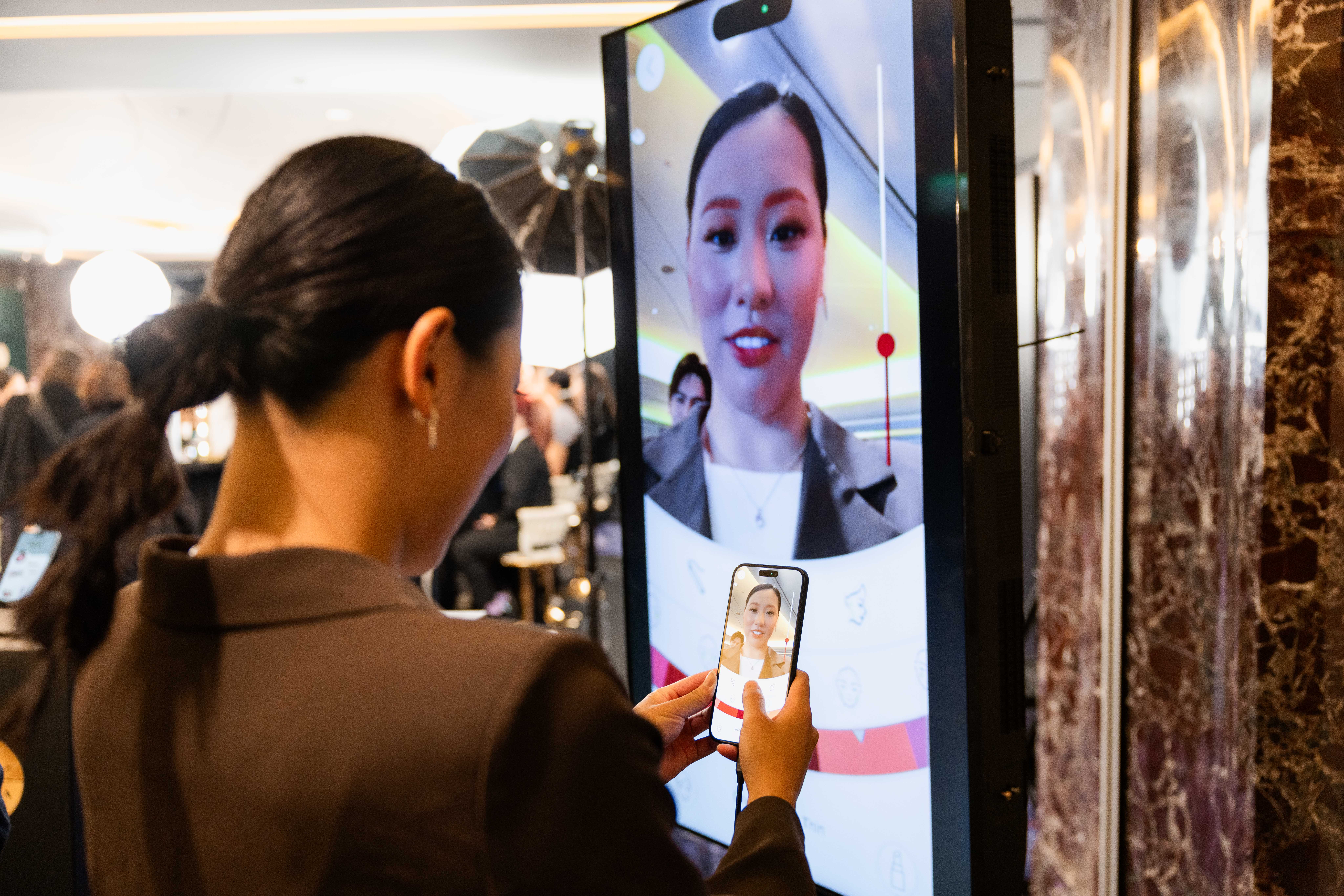
On Sevena, we share curated beauty content that is tailored to each user and let users try on virtual makeup looks. Users can explore their personal style and learn personalized makeup techniques from top makeup artists.
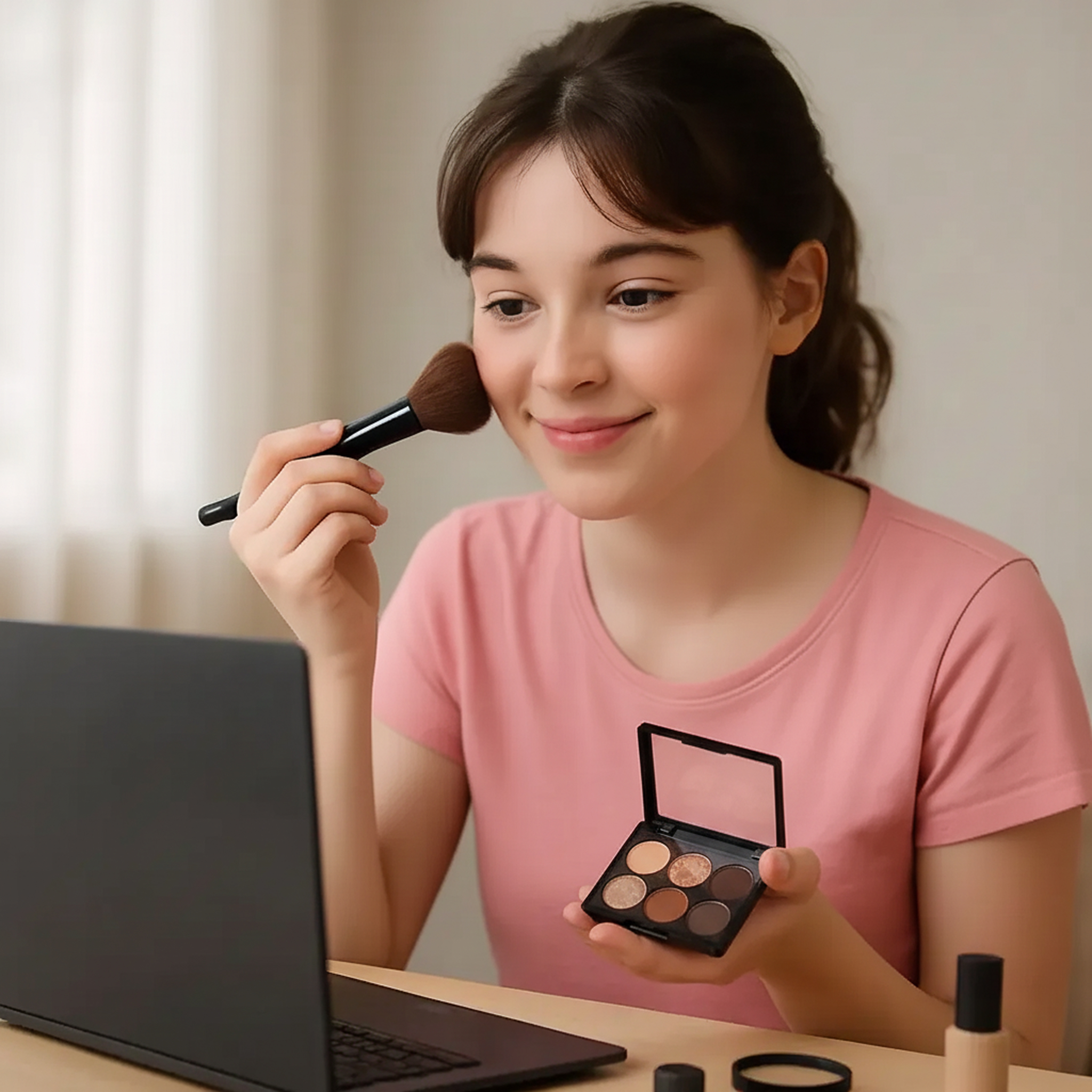
Want step-by-step guidance from professionals, tailored to their own style and features.
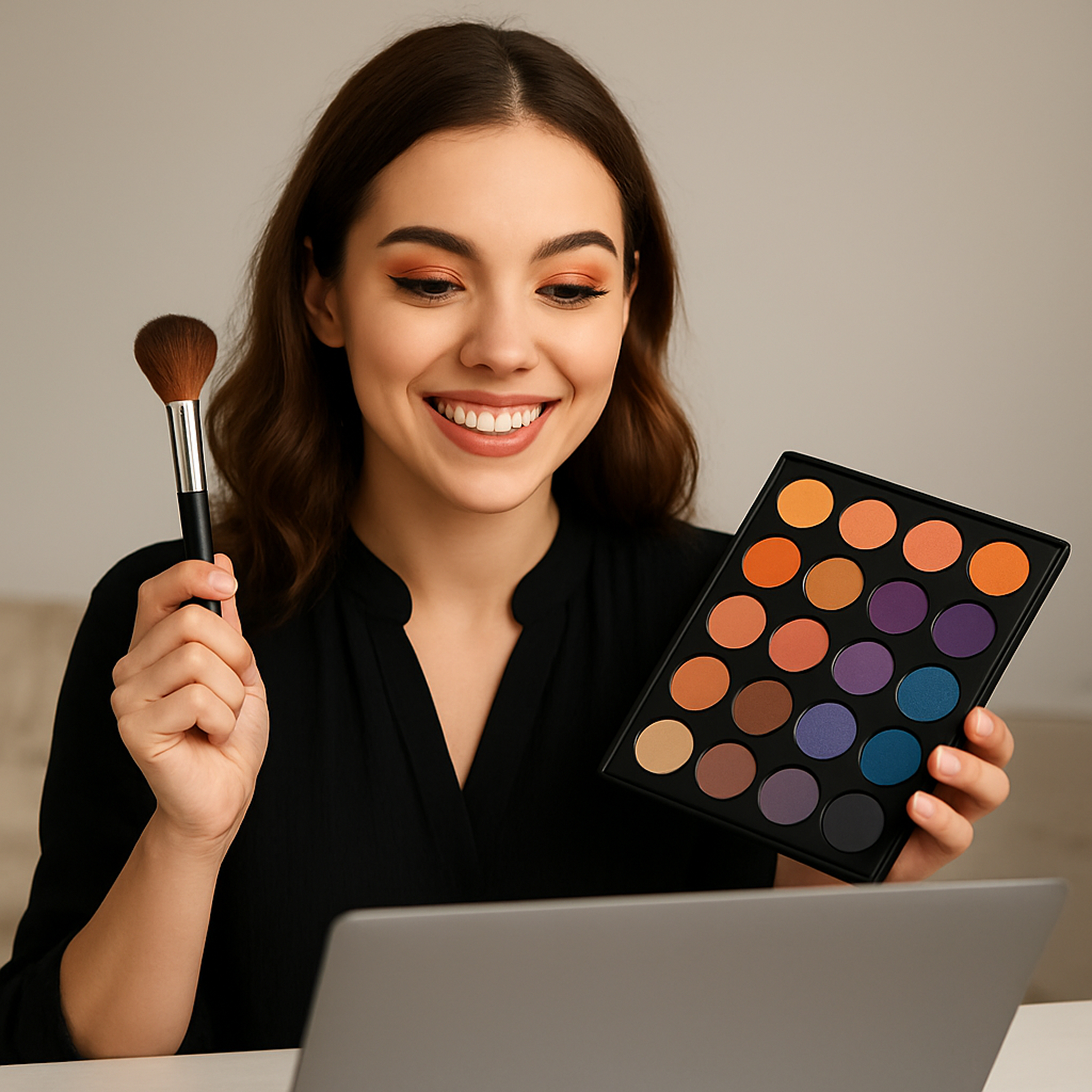
Want a platform to share expertise, reach new clients, and earn additional income.
Sevena Makeup Box keeps track of the makeup products that users own and want. Makeup artists can examine each student's makeup box to personalize makeup lessons. Color Match helps users find products related to the colors they're interested in. Together, these two core features make styling easier and the discovery of beauty products funner.
We connect beauty enthusiasts with professional makeup artists through interactive, live tutorial calls. By focusing on real-time guidance, Sevena empowers users to learn techniques tailored to their personal style and unique facial features — skin type, skin tone, and lip shape.
Passionate about beauty & styling
3 makeup artists
4 beauty enthusiasts
Based on the key features on Sevena
Facilitated design improvements
Before running the usability tests, I defined four research goals to guide what I needed to learn from both makeup artists and beauty enthusiasts. These goals shaped the tasks and questions used throughout testing, ensuring each testing session surfaced insights me and my team could act on.
Identify friction in the primary user journeys: adding products to Makeup Box, scanning colors, setting up a Facial Feature Profile, and connecting with a Sevena PRO.
Understand where copy and labels fall short of users' mental models — especially around novel concepts and feature naming.
Confirm whether makeup artists and students find facial feature data and makeup products owned genuinely useful in a live session.
Understand what would bring users back regularly, and what concerns might prevent initial adoption.
Makeup artists approached the online teaching experience through professional lenses. To them, understanding each client deeply and having the right information on hand before sessions begin help them deliver personalized, high-quality lessons.
Ask about skin routines, skin conditions, preferred colors and styles.
Teaching posture and hand-motion techniques remotely is very tricky — no in-person nuances or real-time physical guidance.
Learning objectives, preferred session format, facial features, and makeup products owned.
“Unique facial feature information greatly helps makeup artists personalize lessons for their students.”
Makeup Artist ParticipantMakeup students approached the online learning experience with curiosity and a desire for guidance that felt personal to them. All of them thought that real-time feedback from makeup artists they looked up to was invaluable.
Short videos on content-sharing platforms like Instagram, TikTok, YouTube — and friends.
Especially styling and color advice tailored to unique facial features and complexion.
Good reputation & aesthetic match; credentials — years of experience, certifications, portfolio style.
“Color scanner is so innovative! It intrigues me.”
Makeup Student Participant“Being able to link visuals that you like to help makeup artists understand your tastes is a clear differentiator.”
Makeup Student ParticipantOn Sevena, we share curated beauty content that is tailored to each user and let users try on virtual makeup looks. Users can explore their personal style and learn personalized makeup techniques from top makeup artists.
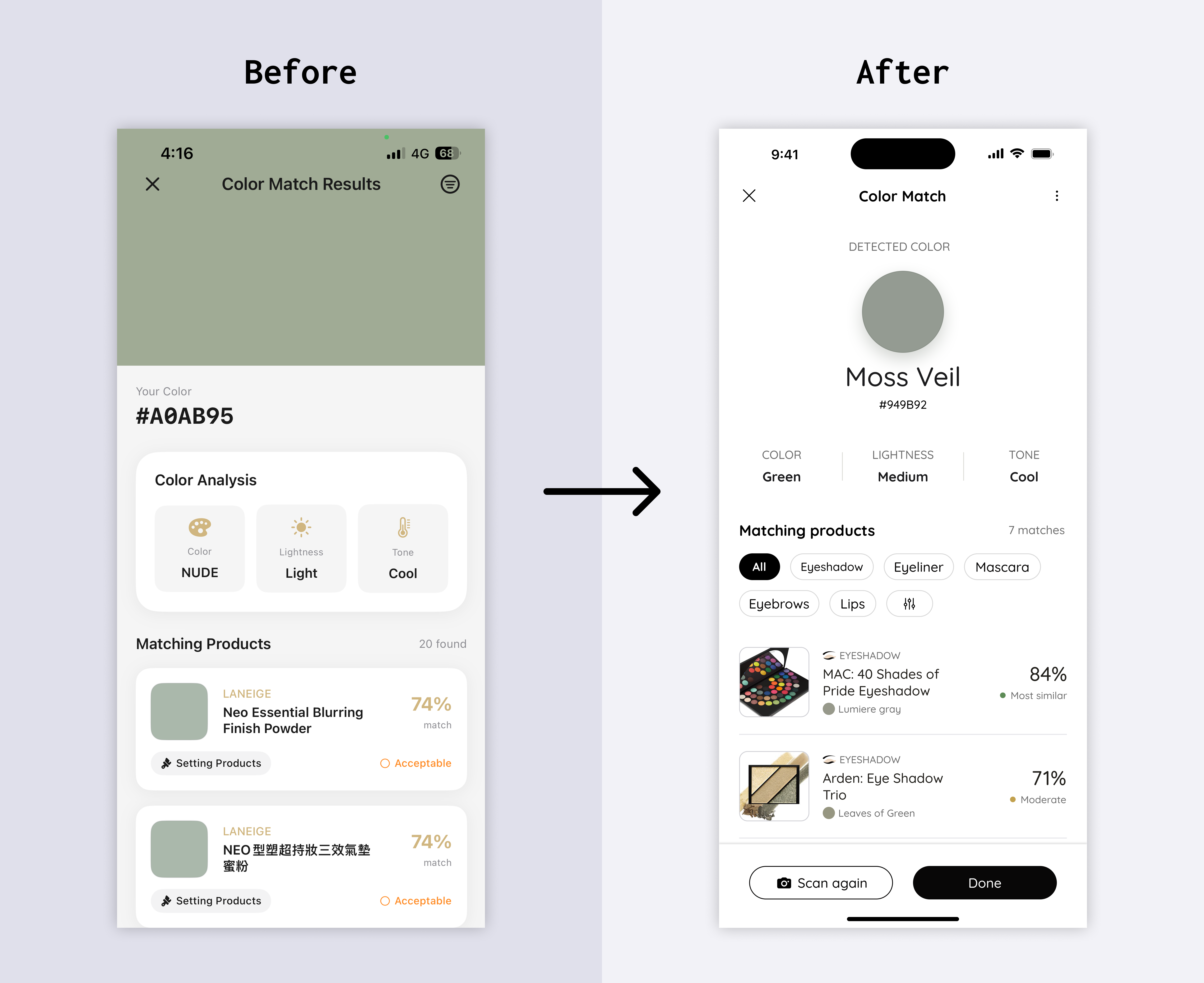
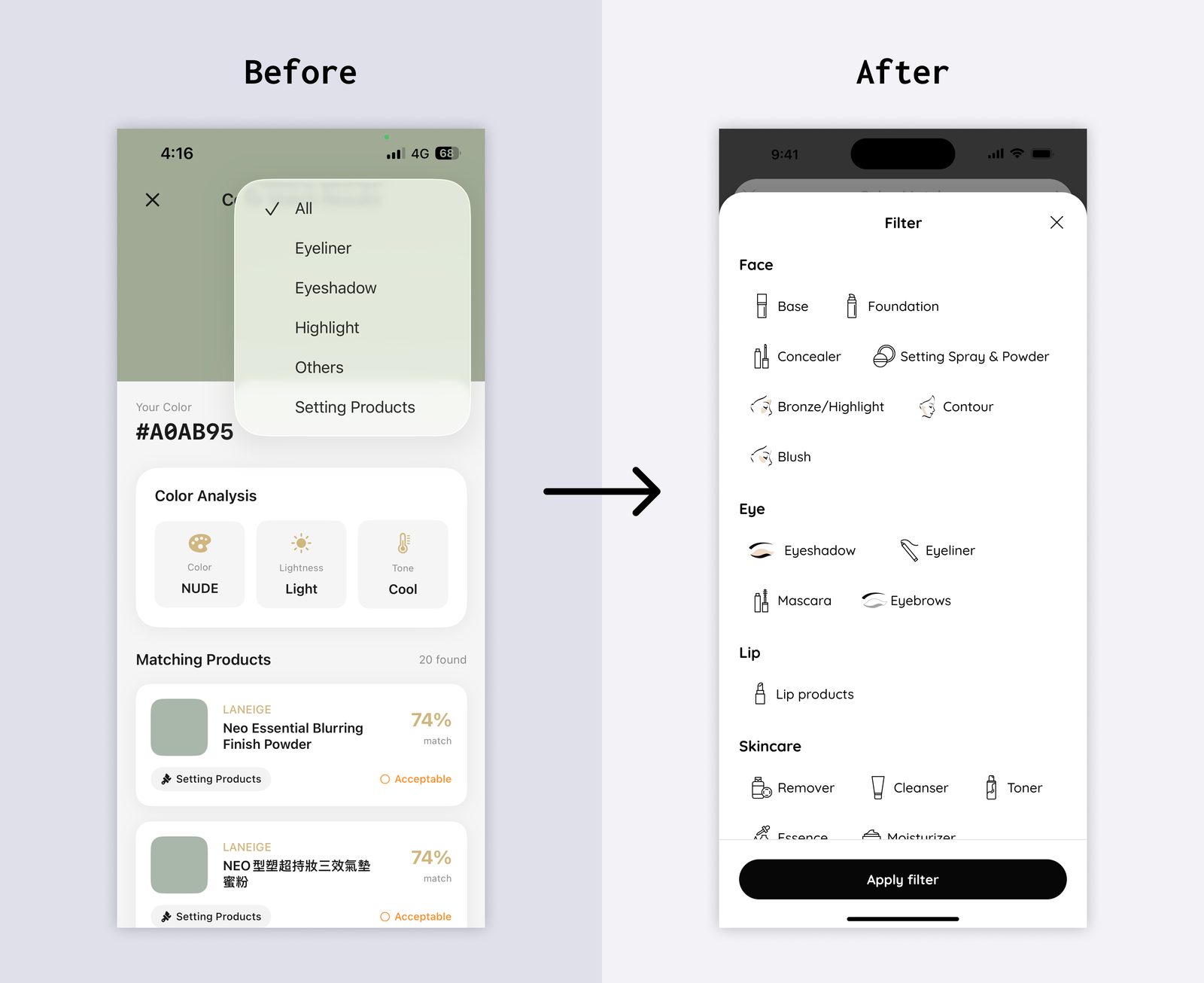
Repositioning and restructuring the search filter helps users find the specific makeup categories they're interested in right away. Grouping products by the area of the face they're typically associated with helps users search more easily.
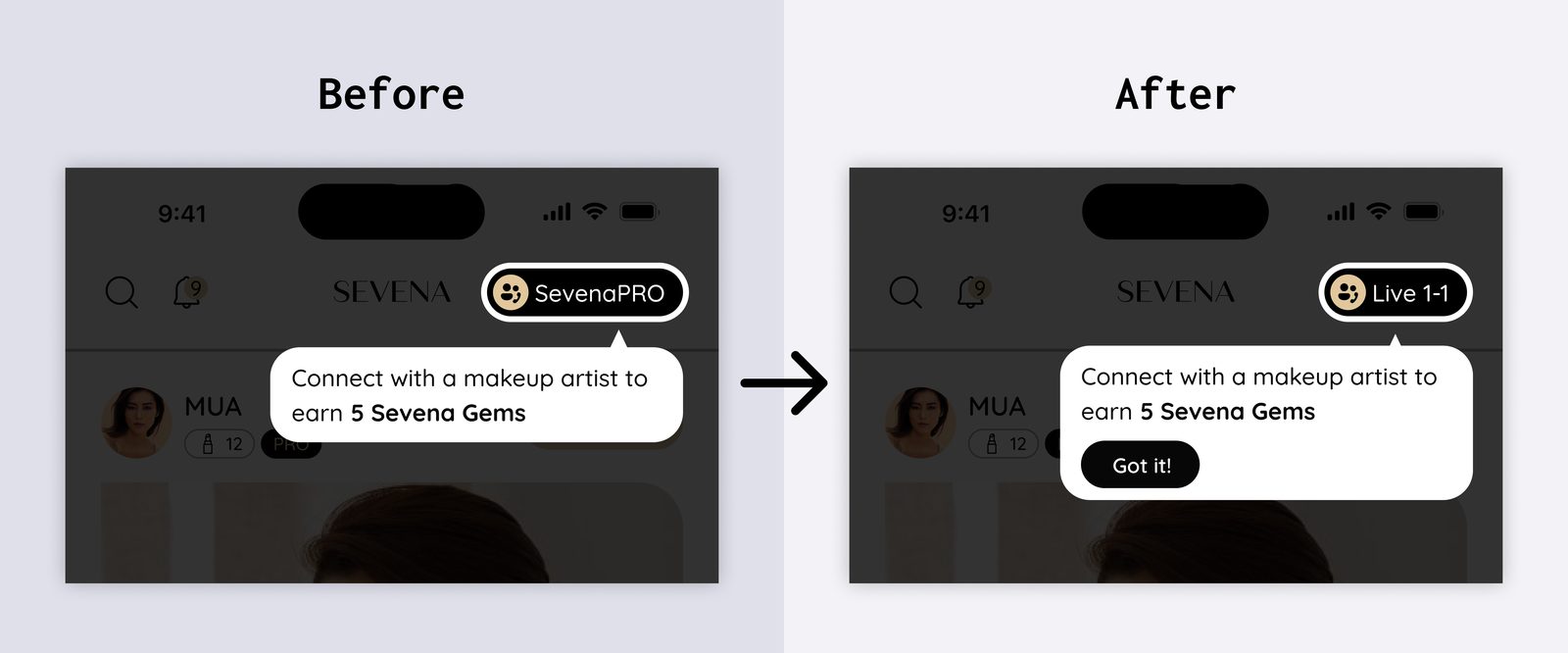
Since transient toasts were universally missed, snackbars with confirmation buttons ensure users absorb key guidance. Rewording SevenaPRO to Live 1-1 clears up confusion.
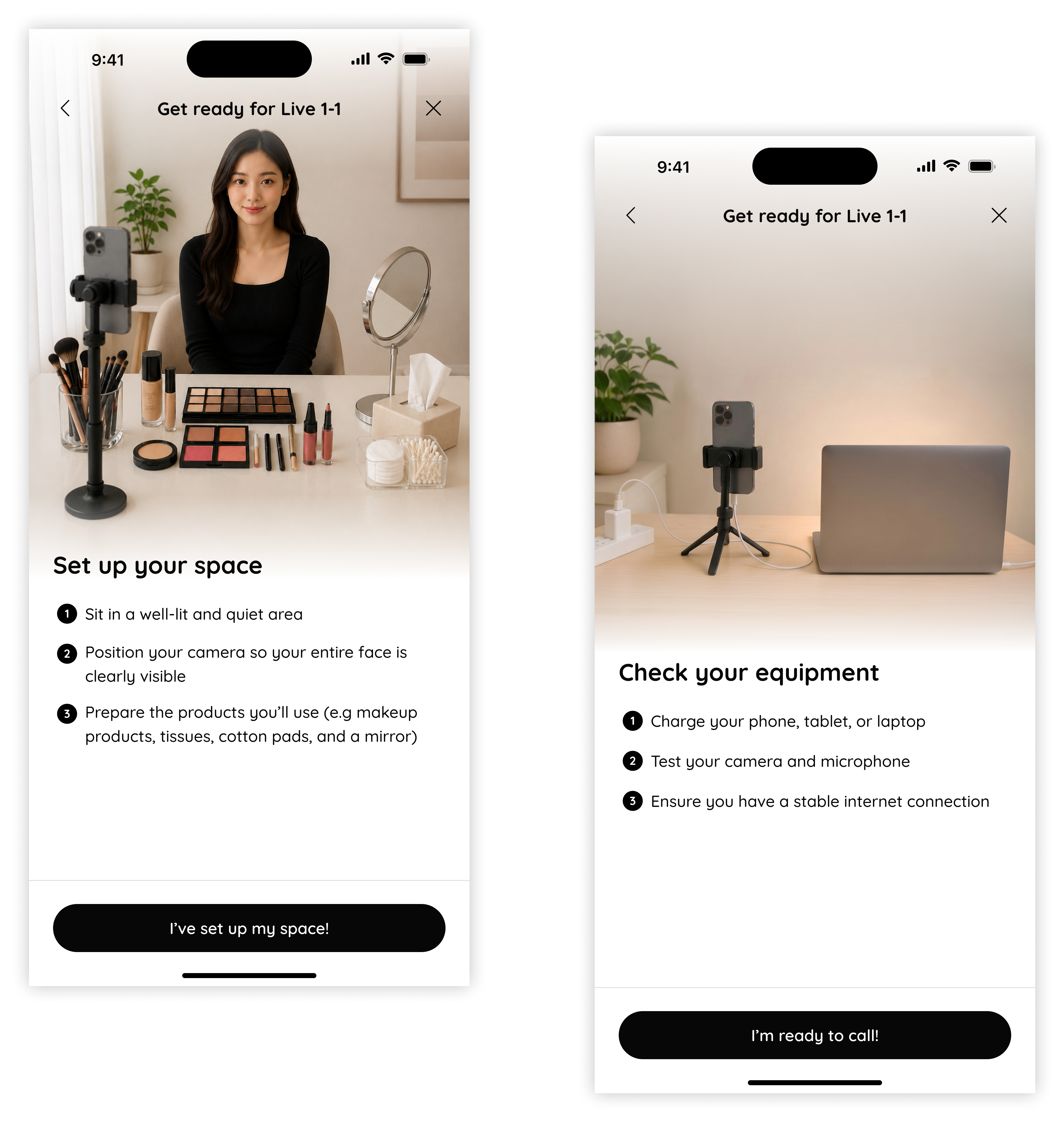
Many makeup students were uncertain how to position themselves for an online lesson. "Get Ready" screens mentally prepare students and improve session quality for both sides.
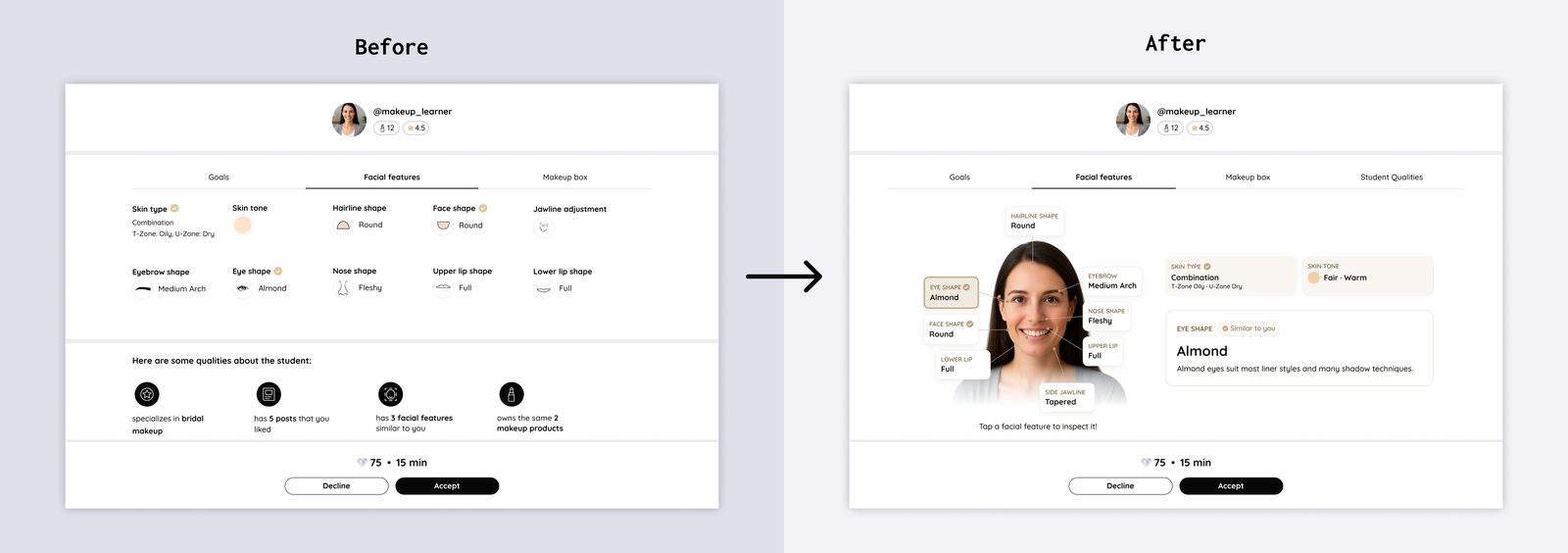
Facial features mapped onto users' faces helps makeup artists more rapidly digest their students' data.
Beyond the changes we shipped, testing surfaced a few recurring requests that point to where Sevena could go next. Each opportunity below reflects a specific need participants voiced, from building trust with new users to giving them more control over how they book and learn.
The biggest motivator to try Sevena's Live 1-1 — directly addressing the "too new to trust" concern and lowering the barrier to first-time adoption.
Two booking modes to serve both spontaneous and deliberate users.
Let students declare their preferred learning mode upfront so artists can tailor the session structure from the start.
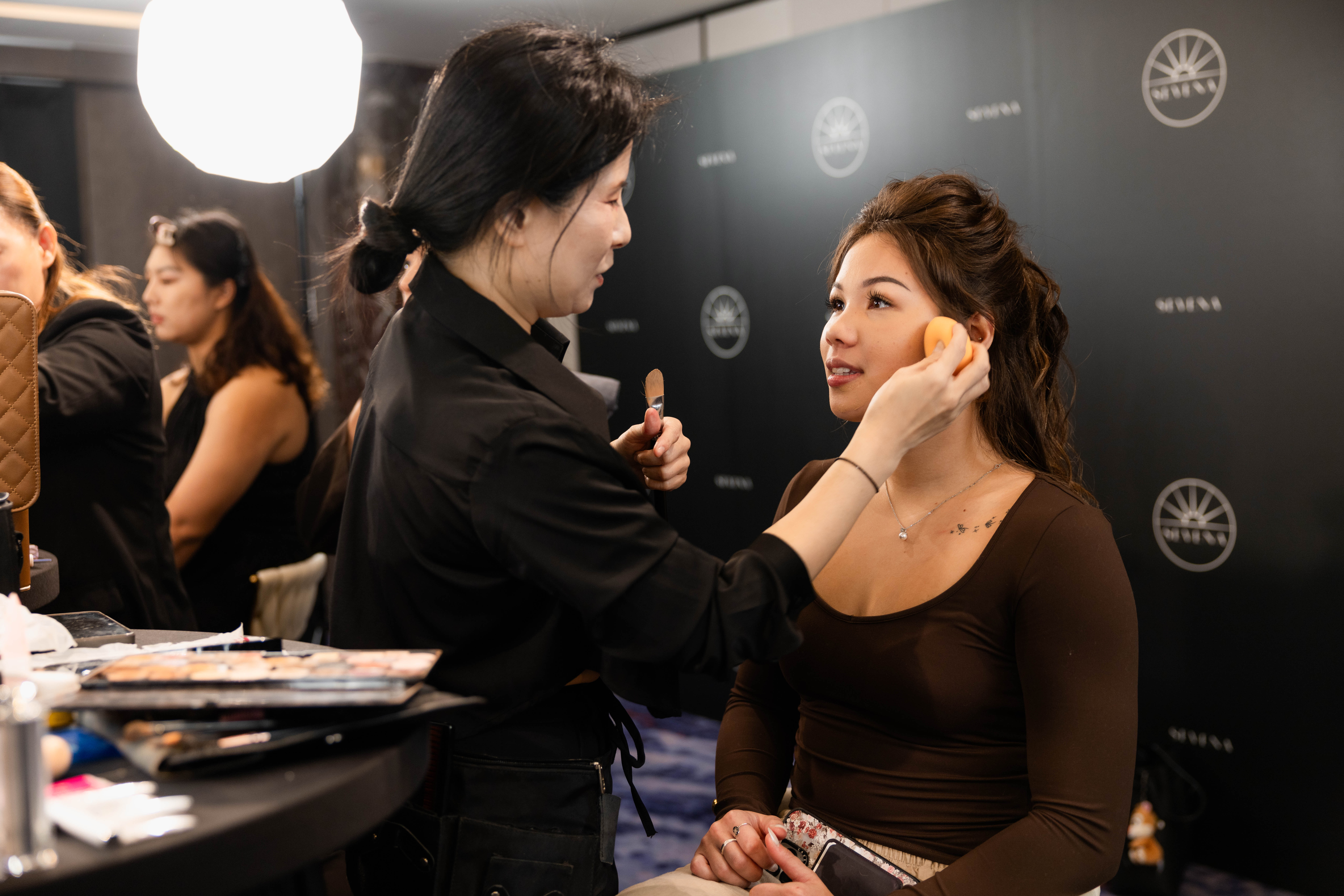
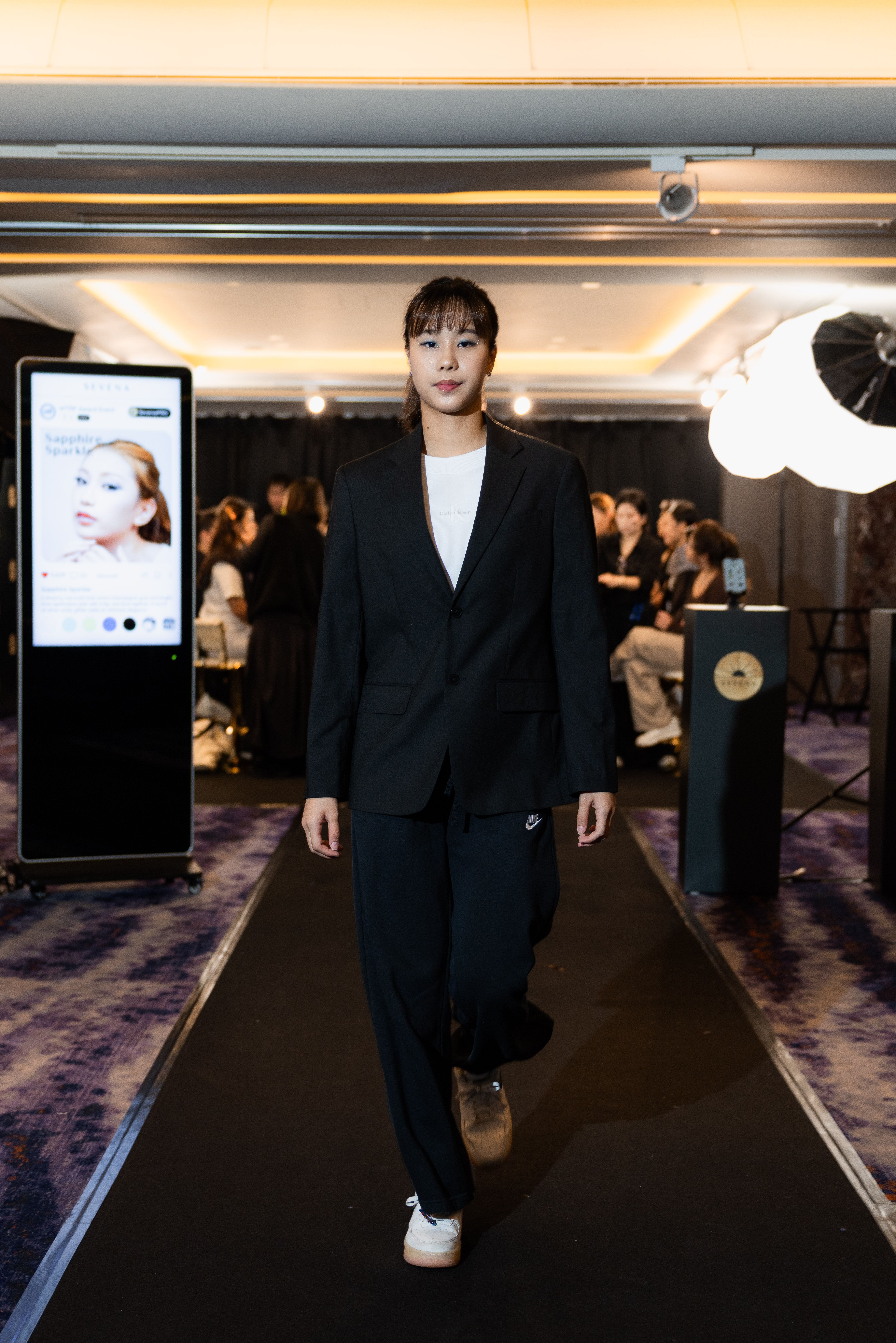
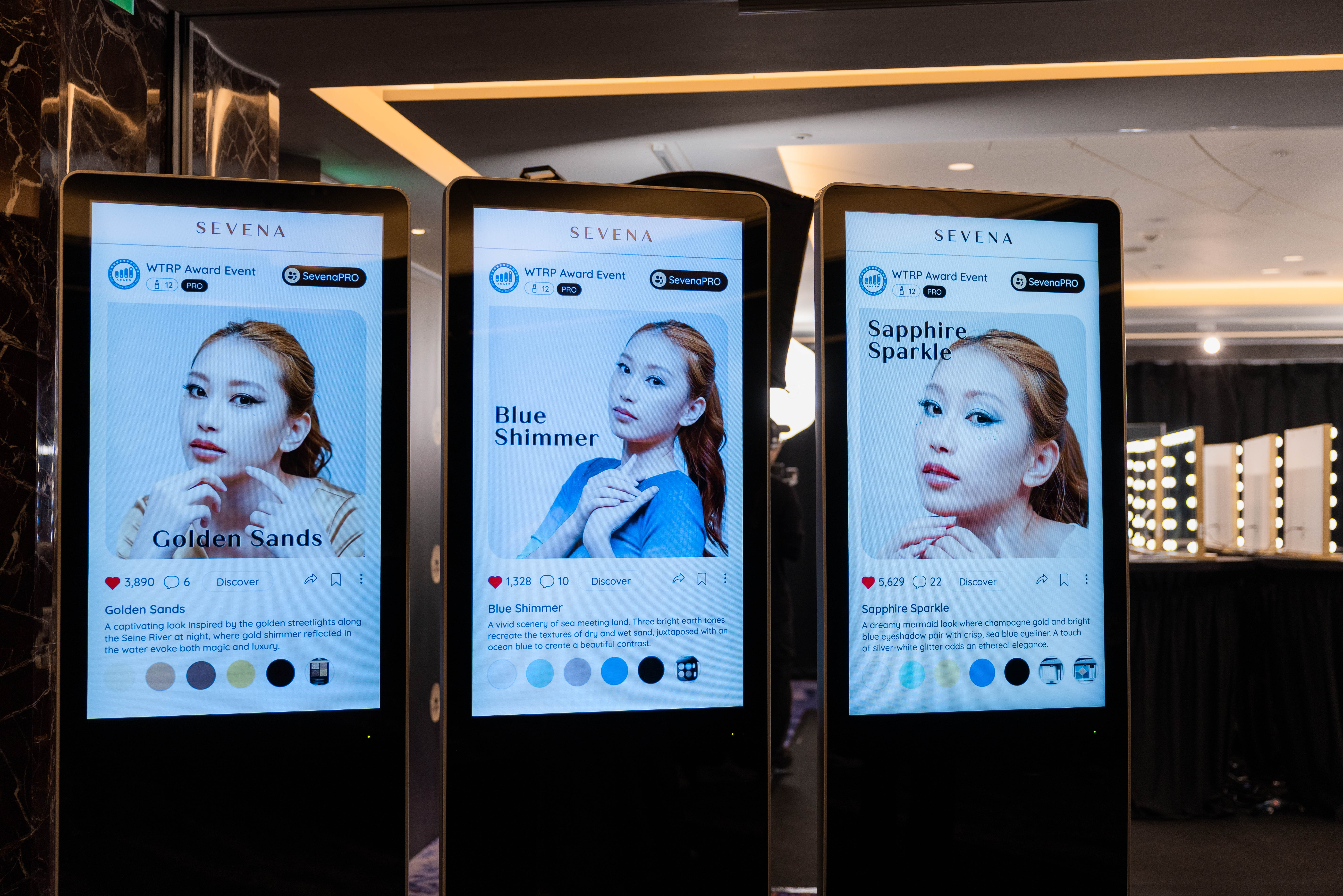
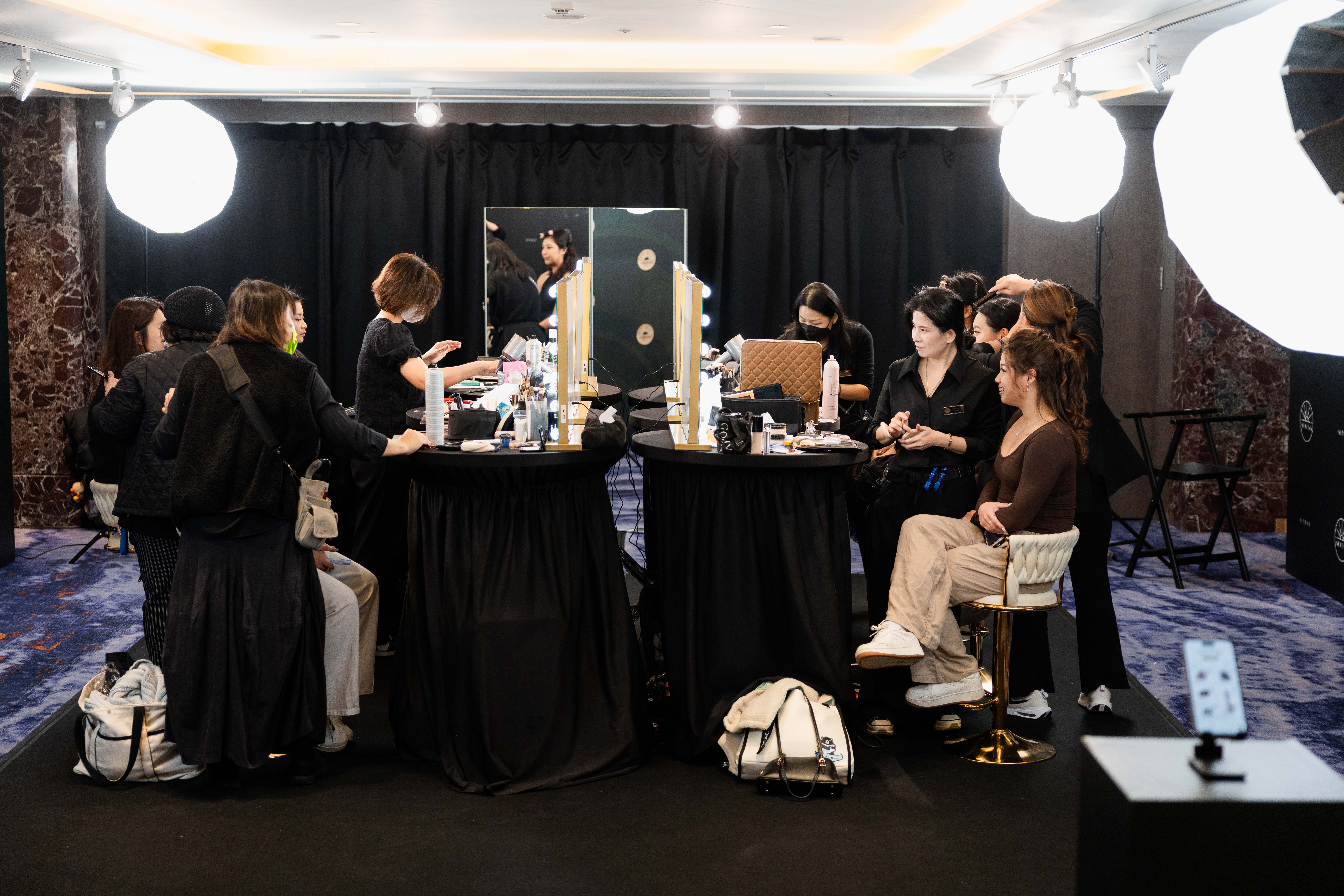
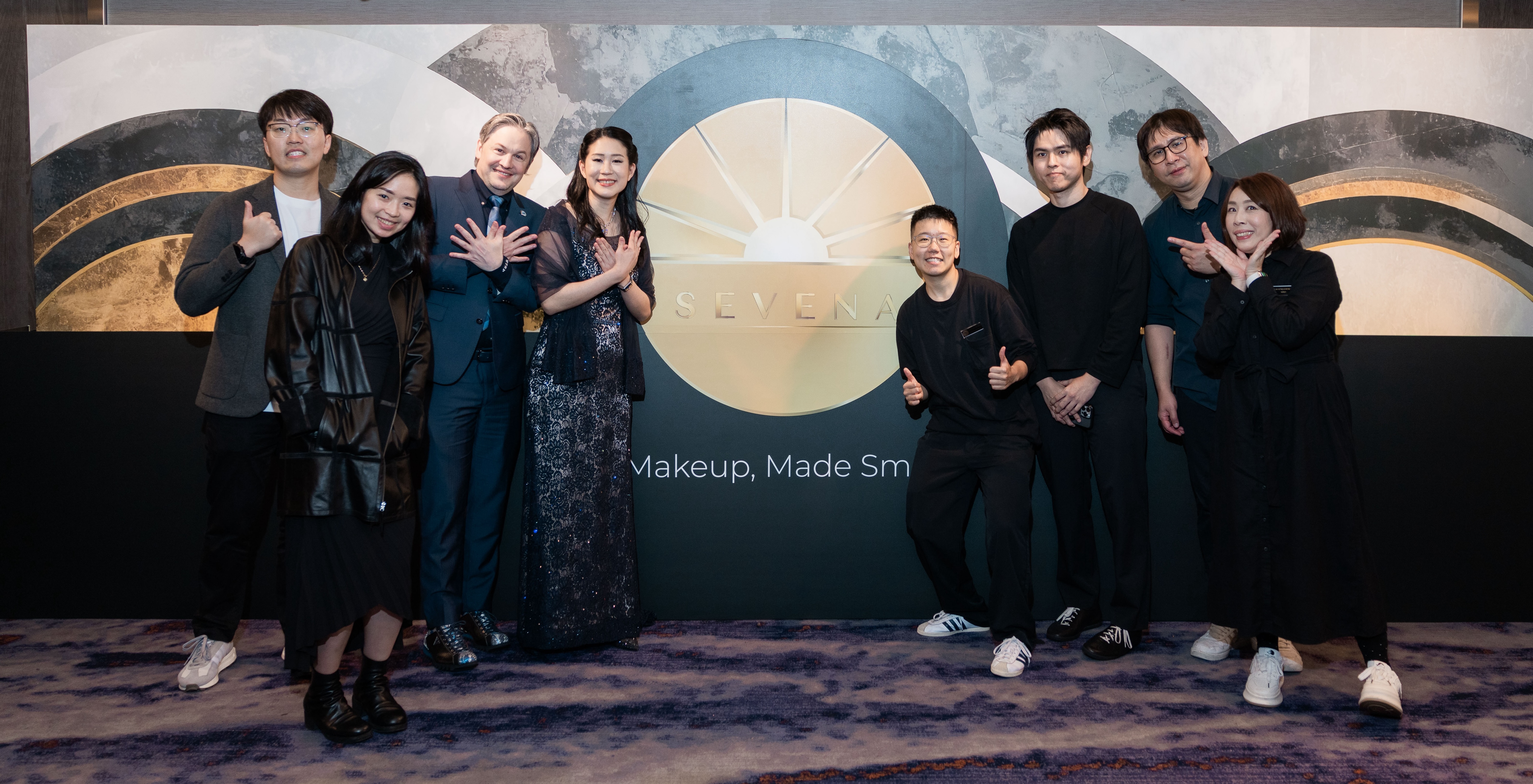
After months of hard work, my team and I excitedly launched the initial version of Sevena in December 2025. We showcased the app at the WTRP Award Event — where makeup artists applied beautiful makeup on Taiwan's #1 athletes, who had the opportunity to try out the app and shine on stage.